
For many women, menopause marks a major turning point for bone health. With the drop in oestrogen, bones begin to lose density at an accelerated rate—up to 10% in just the first five years after menopause . This makes osteoporosis (thinning and weakening of the bones) one of the most pressing health concerns for women in midlife and beyond.
Why Peak Bone Mass Matters
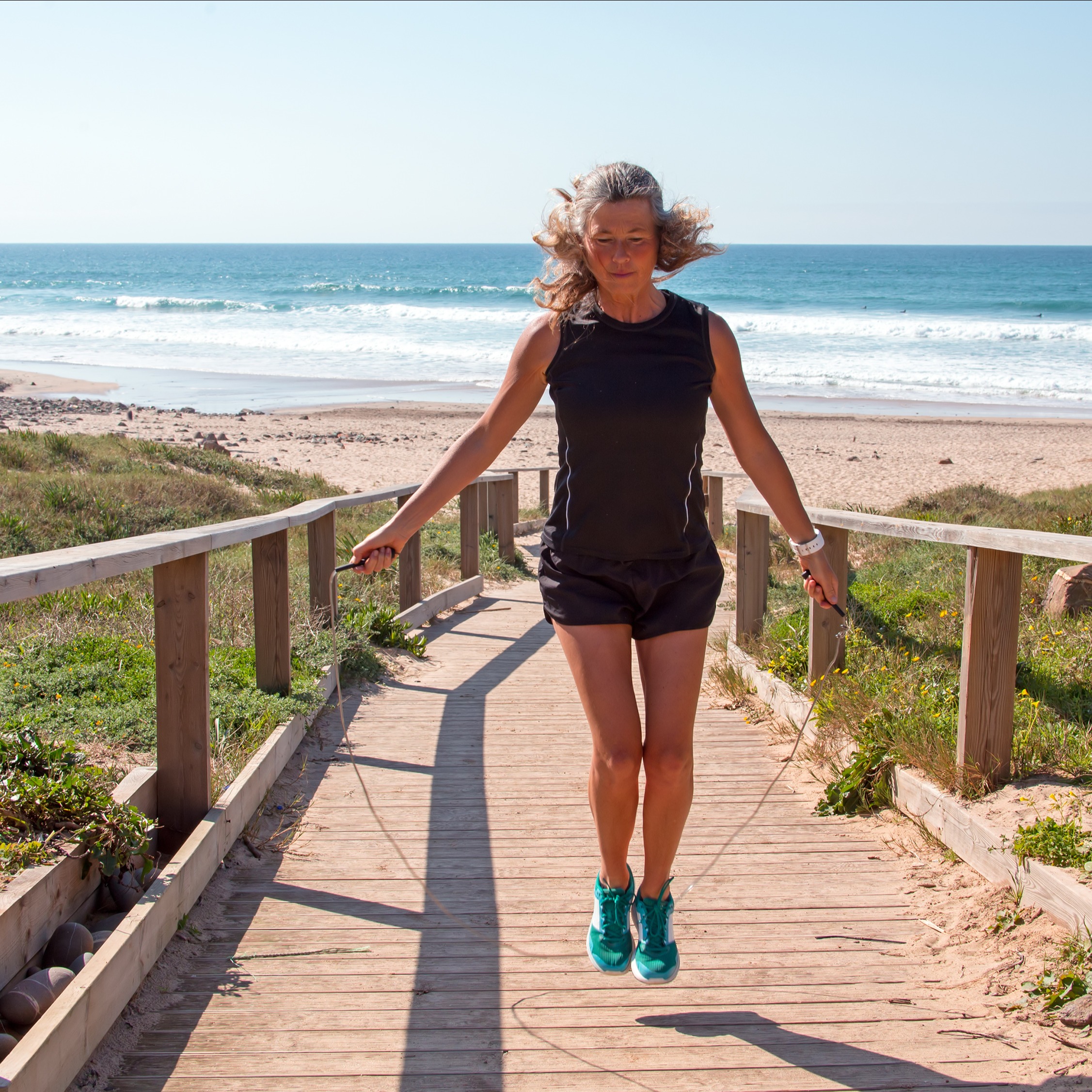
Bone strength isn’t just determined by what happens at menopause—it’s also shaped by your earlier years. Bones reach their “peak mass” (strongest point) in the late 20s to mid-30s. If peak bone mass is lower than ideal, the risk of osteoporosis later in life is higher. That’s why encouraging children and young adults to eat calcium-rich foods and stay active with weight-bearing exercise (like walking, running, and jumping) is one of the best investments in lifelong bone health.
Still, it’s never too late to start. Research shows that regular exercise and smart lifestyle choices can slow, and sometimes even reverse, bone loss at any age .
Rectangle
How Osteoporosis is Diagnosed
Doctors use a specialised scan called a DEXA (dual-energy X-ray absorptiometry) to measure bone mineral density (BMD). The result is given as a T-score, which compares your bone density to that of a healthy young woman:
- – Normal: 0 to -1
- – Osteopenia (early bone loss): -1 to -2.5
- – Osteoporosis: -2.5 or lower
This test helps guide both prevention and treatment plans.
Lifestyle Strategies That Protect Your Bones
Even after menopause, you can take steps that make a real difference:
- Boost Calcium Intake: Aim for 1,300 mg per day—around 3–4 serves of dairy or calcium-rich alternatives.
- Get Your Vitamin D: Just 15 minutes of safe sunlight exposure daily helps your body absorb calcium. Supplements may be needed if levels are low.
- Do Weight-Bearing Exercise: Activities like walking, dancing, and hiking stimulate bone growth.
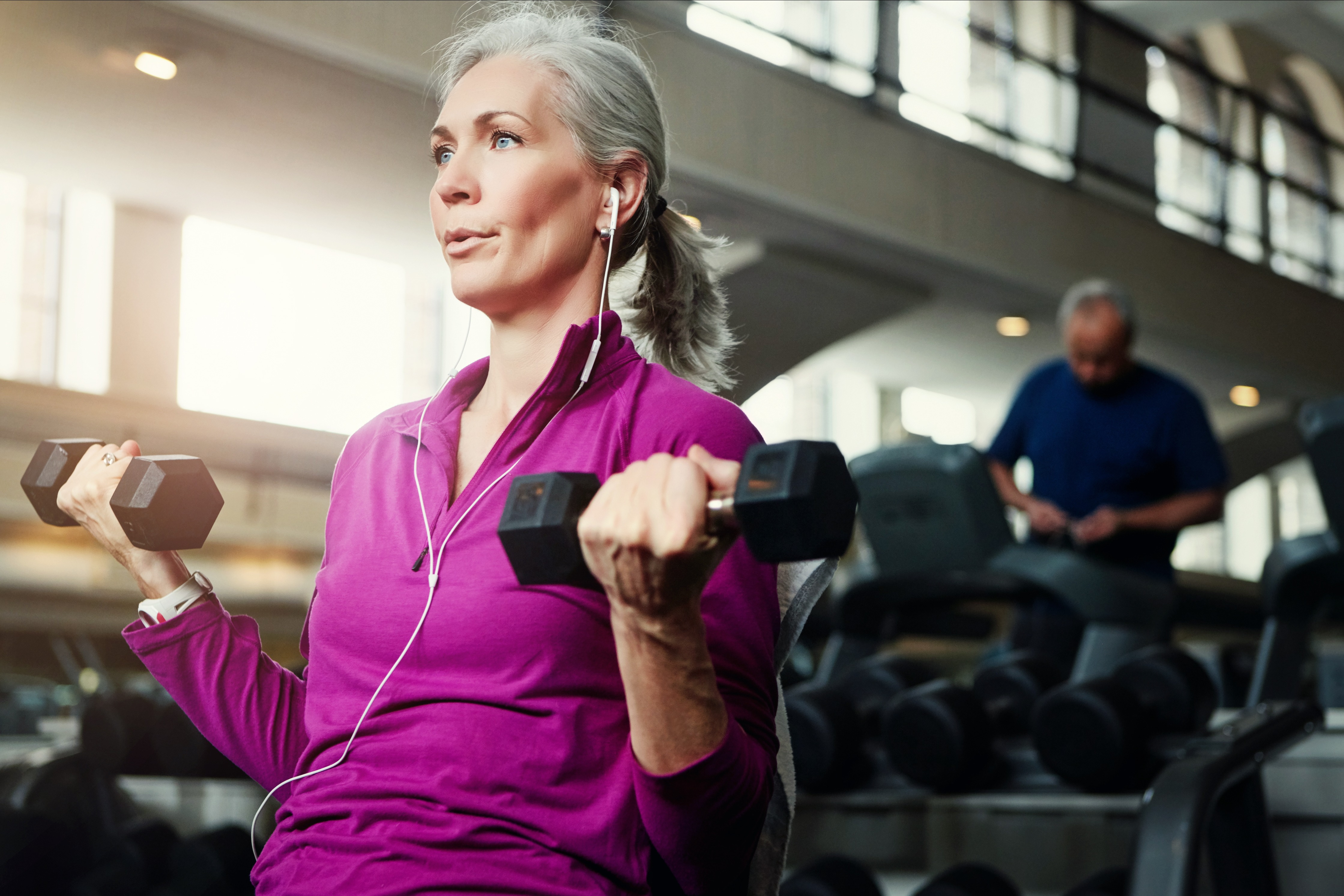
- Add Resistance Training: Strength training, especially targeting big muscle groups (like glutes and thighs), strengthens bones in areas most prone to fracture.
- Stretch & Stay Mobile: Flexibility and balance training lower your risk of falls.