We
can’t
completely dodge the signs of ageing—wrinkles,
grey hair, and a little creakiness are part of the package. But
here’s
the good news: while some changes are inevitable, many of the
declines we often blame on “just
getting older”
are
actually linked to inactivity.
The
old saying “Use
it or lose it”
couldn’t
be more true when it comes to your muscles, bones, and joints.
Research shows that as much as 50%
of age-related changes in bones, muscles, and connective tissues are
due to inactivity, not ageing itself
. The problem is, being sedentary fuels a vicious cycle: less
movement leads to weakness, which makes you even less likely to move,
which accelerates decline.
For
example, older adults confined to bed can lose up to 5%
of their muscle strength per day
. That weakness then makes standing, walking, and moving feel
riskier, which increases the likelihood of staying inactive.
The
solution? Movement. Evidence consistently shows that building muscle
strength and bone health through regular activity not only helps
prevent disability and frailty but also protects against chronic
diseases like type 2 diabetes, cardiovascular disease, and
osteoporosis .
Why
This Matters More Than Ever
Australia
is an ageing nation. Nearly half
of Australians over 75 live with some form of disability
. Many of these are musculoskeletal conditions such as:
-
Osteoarthritis
– the
breakdown of cartilage leading to pain and stiffness. -
Osteomalacia
– soft
bones caused by vitamin D deficiency. -
Osteoporosis
– brittle,
fracture-prone bones. -
Rheumatoid
arthritis
– inflammatory
joint disease. -
Muscle
weakness
– often
driven by inactivity or one of the conditions above.
From
about age 35, we naturally start losing muscle at a rate of about 1%
per year
. This decline accelerates after 50, especially in women, who also
experience a faster drop in bone density after menopause. By age 80,
1
in 4 women are at high risk of hip fracture,
which can have life-changing consequences .
And
it’s
not just bones and muscles. Cartilage—the
cushioning tissue in joints—depends
on movement to stay healthy. Because cartilage doesn’t
have a direct blood supply, it relies on the flow of synovial
fluid
(the joint’s
natural lubricant) to bring in nutrients and flush out waste. That
fluid only circulates when you move. No movement, no nourishment.
The
Power of Exercise
Here’s
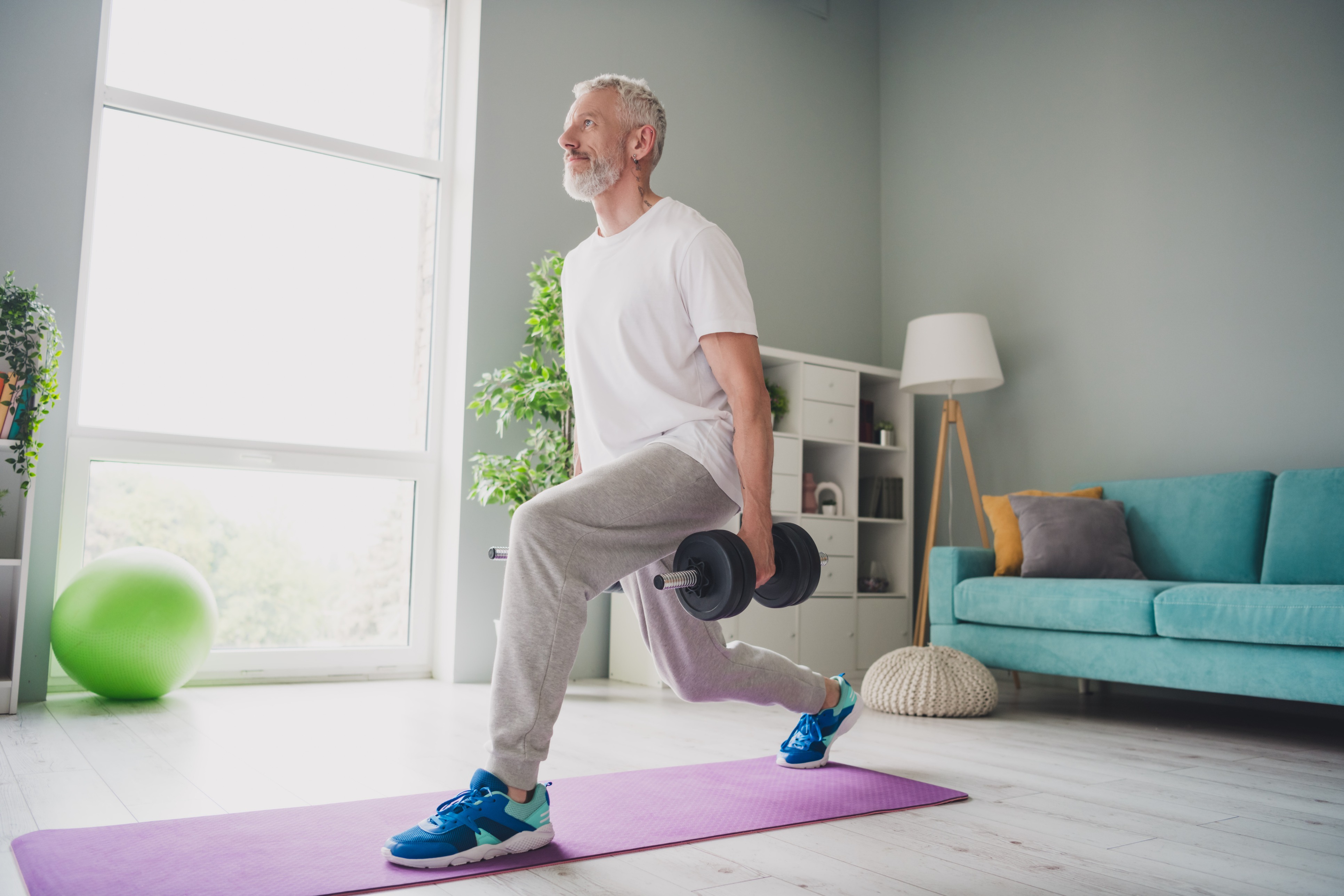
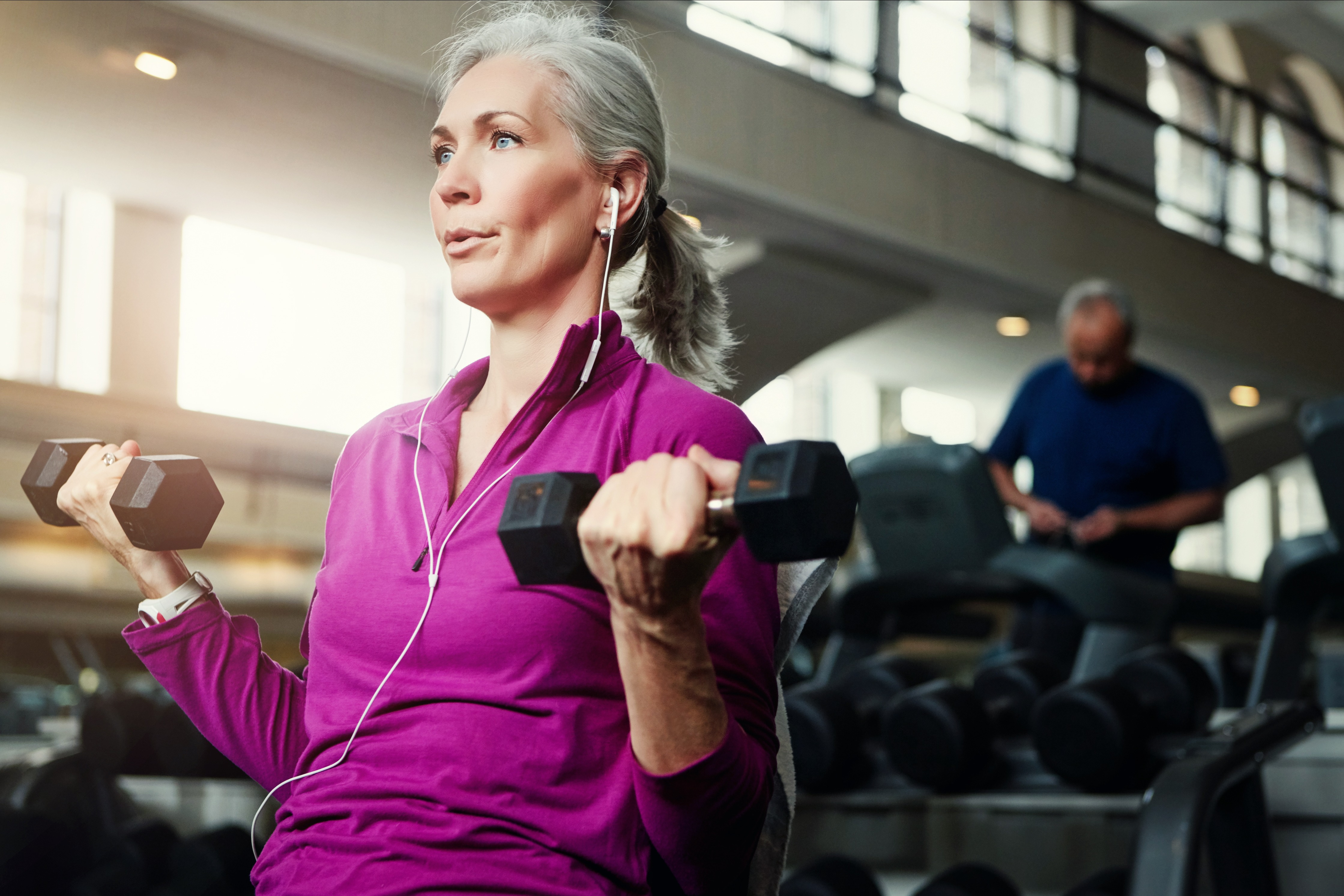
the inspiring part: exercise can delay, and sometimes even reverse,
many of these trends.
Yet,
fewer than 1
in 10 Australians over 50 do enough exercise to maintain good heart
and lung health
. That means there’s
huge room for improvement—and
big gains to be had.
No
matter your age, regular movement can help you:
-
Build
muscle mass
and strength. -
Improve
balance and coordination,
lowering fall risk. -
Strengthen
bones
and slow down bone loss. -
Boost
cardiovascular fitness
and circulation. -
Improve
body composition,
reducing fat and increasing lean mass. -
Ease
arthritis symptoms
by keeping joints lubricated and moving freely. -
What
We’re
Doing About It
That’s
exactly why the Younger Longer 28-Day
Challenge
focuses on fighting osteoporosis and building long-term strength.
While the primary aim is to protect your bones, the knock-on
benefits
ripple across your entire body:
-
More
muscle and strength -
Better
cardiovascular health -
Improved
mental wellbeing -
Healthier
body composition
It’s
not about turning back the clock—it’s
about staying strong, independent, and vibrant for longer.
Where
to Start
If
you haven’t
exercised in a while, or if you’re
managing a chronic condition like type 2 diabetes, it’s
important to get the all-clear from your healthcare provider first.
Your GP, physiotherapist, or an accredited exercise physiologist can
help tailor a safe, effective program to your needs.
For
expert guidance, visit: Exercise
& Sports Science Australia
The
Bottom Line
Movement
is medicine. Every step, stretch, or lift you do today is an
investment in your independence tomorrow. Don’t
let age be the excuse—let
it be the reason.
References
-
Booth
FW, Roberts CK, Laye MJ. Lack
of exercise is a major cause of chronic diseases.
Compr Physiol. 2012. -
Kortebein
P, et al. Functional
impact of 10 days of bed rest in healthy older adults.
J Gerontol A Biol Sci Med Sci. 2008. -
Warburton
DER, et al. Health
benefits of physical activity: the evidence.
CMAJ. 2006. -
Australian
Institute of Health and Welfare. Older
Australians –
Disability
and Ageing.
AIHW, 2021. -
Janssen
I, et al. Skeletal
muscle mass and distribution in 468 men and women aged 18–88
yr.
J Appl Physiol. 2000. -
National
Osteoporosis Foundation. Osteoporosis
Fast Facts. -
Australian
Bureau of Statistics. Physical
activity across the life stages.
ABS, 2019.