
the truth. But
while we can’t
stop the ageing process, the choices we make after 50 determine how
well we age. The right habits can add
years to your life and life to your years.
Why
It Matters
From
our mid-20s onwards, fitness markers like VO₂max
(a measure of heart and lung health) start to decline by about 1%
each year. Left unchecked, this means less energy, weaker muscles,
and higher risk of lifestyle diseases like heart disease, diabetes,
and osteoporosis.
The
good news? Exercise can slow this decline dramatically—sometimes
even reversing it.
The
Three Pillars of Fitness After 50
1.
Cardiovascular Health
To
keep your heart strong, combine:
-
Longer,
lower-intensity sessions
(e.g. 45–60
minutes walking) to burn fat and improve endurance. -
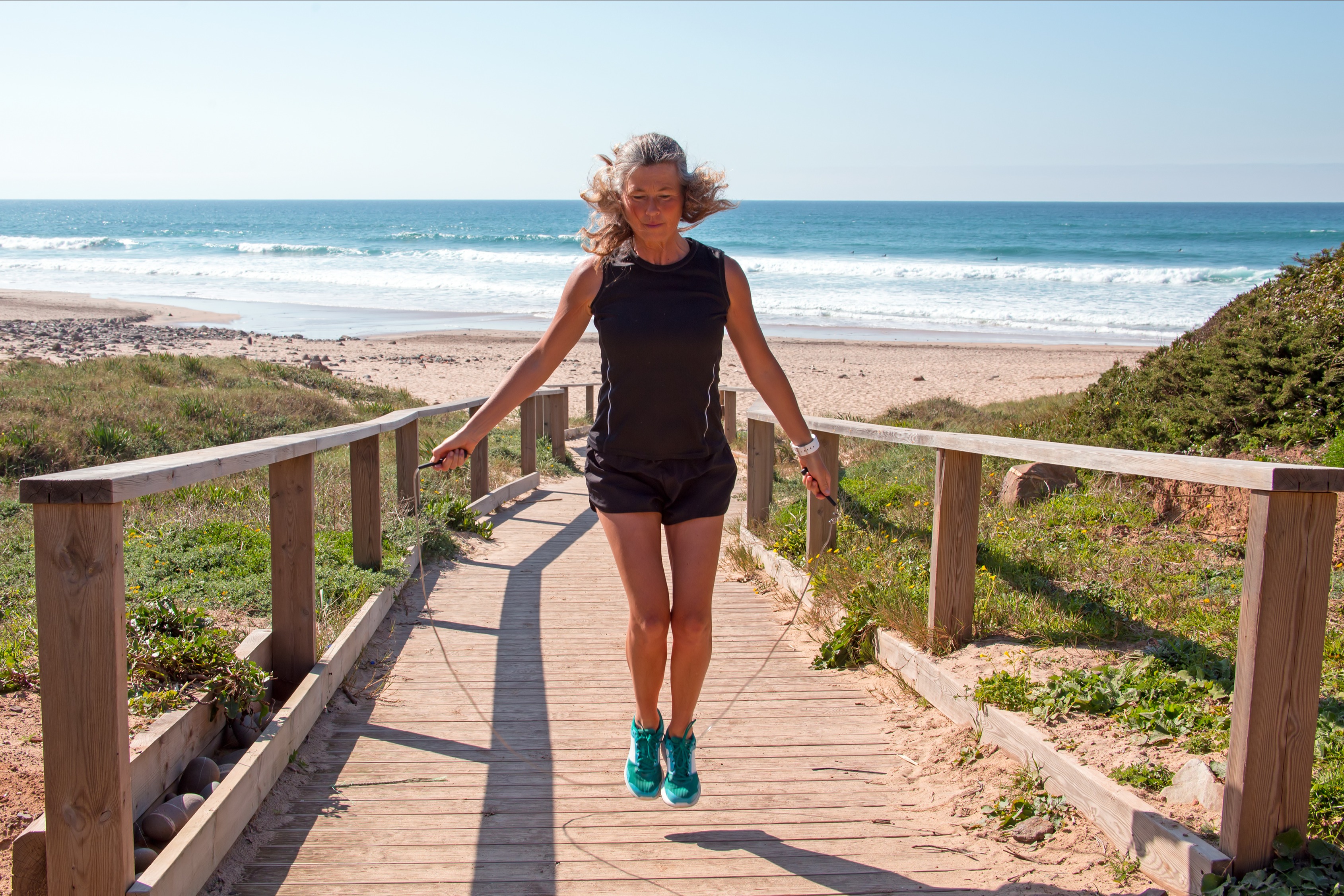
Shorter,
more intense sessions
(15–30
minutes where you’re
slightly out of breath) twice a week to maintain cardiovascular
fitness.
Both
types are essential for longevity.
2.
Strength
Strength
training is often called the fountain
of youth.
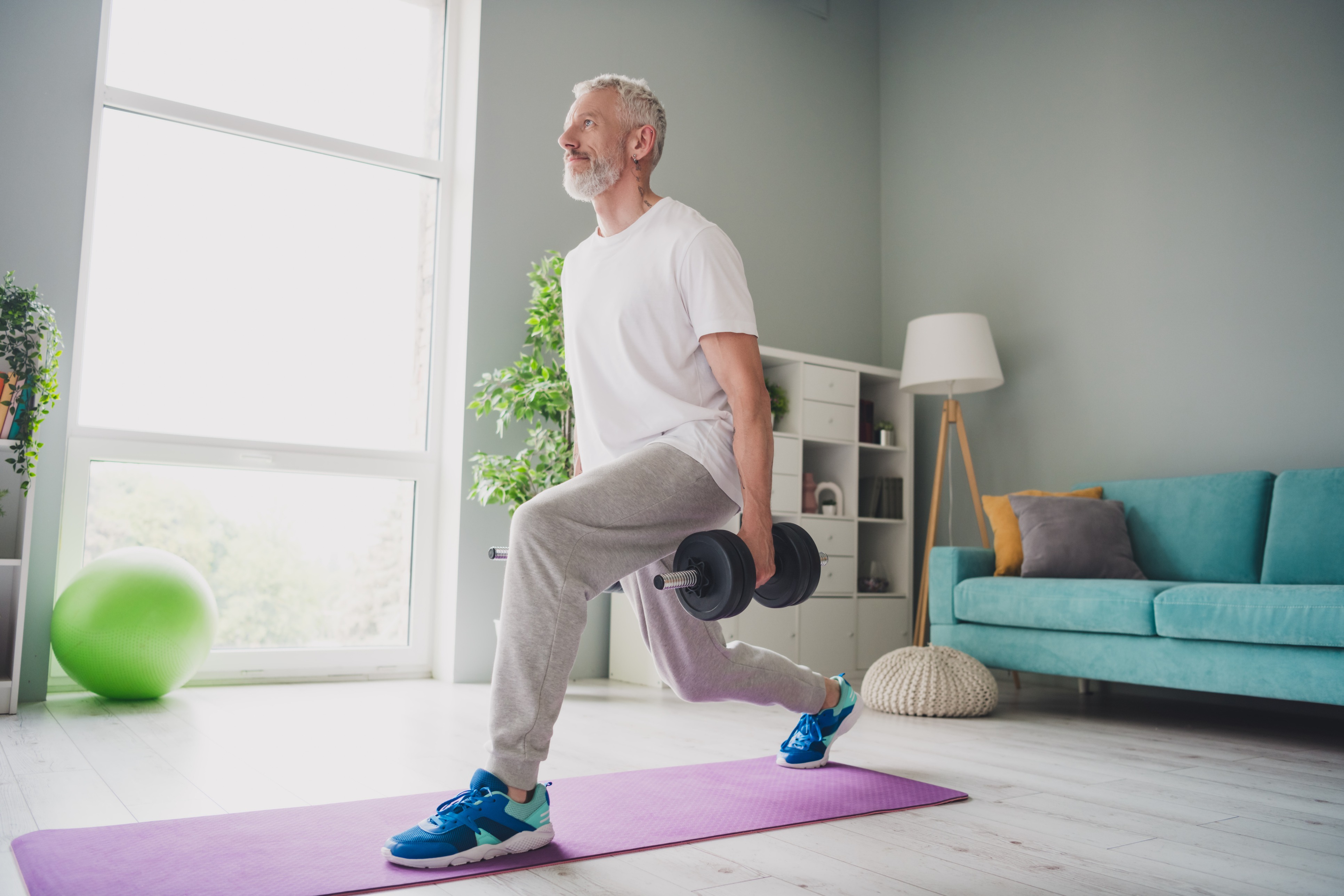
From age 50, muscle fibres shrink and fat infiltrates muscle tissue,
but resistance training fights back. Just 2–3
sessions per week
of moderate weights (2–3
sets of 12–15
reps) can:
-
Increase
lean muscle mass. -
Boost
metabolism (burn more energy at rest). -
Improve
posture, balance, and everyday strength. -
Lower
osteoporosis and injury risk.
3.
Flexibility
As
we age, stiffness creeps in—but
flexibility keeps us moving freely. Stretching daily (or at least 5
days a week), holding each stretch for 20 seconds, helps to:
-
Maintain
range of motion. -
Reduce
injury risk. -
Improve
coordination and balance, reducing falls. -
Seven
Golden Rules for Exercising Over 50
-
Get
a check-up first
– especially
if you’ve
been inactive or have a family history of heart disease. -
Start
slow, build gradually
– don’t
overhaul everything at once. Small, steady changes stick. -
Find
a buddy
– exercising
with a friend boosts motivation. -
Set
SMART goals
– specific,
measurable, achievable, realistic, and time-based. -
Try
before you buy
– sample
new activities before committing. -
Seek
qualified advice
– work
with accredited exercise physiologists or dietitians. -
Maximise
your time
– balance
cardio, strength, flexibility, warm-up, and cool-down for best
results. -
Nutrition
Notes for the Over 50s
Dietary
needs don’t
change dramatically, but some points become more important:
-
Aim
for 2–3
serves of dairy or alternatives daily
(for calcium). -
Eat
plenty
of fruit, vegetables, and whole grains. -
Prioritise
lean
proteins
(fish, legumes, poultry). -
Stay
hydrated—1.5–2
litres of water daily. -
Limit
alcohol to 2
drinks a day (men),
1
drink a day (women)
with several alcohol-free days. -
The
Bottom Line
You
can’t
stop ageing—but
you can
slow the slowdown. With regular movement, strength training,
stretching, and smart nutrition, your 50s and beyond can be your
healthiest, most vibrant decades yet.
References
-
Booth
FW, Roberts CK. Lack
of exercise is a major cause of chronic diseases.
Compr Physiol. 2012. -
Warburton
DER, et al. Health
benefits of physical activity: the evidence.
CMAJ. 2006. -
National
Health and Medical Research Council. Australian
Dietary Guidelines.
2013. -
Frontera
WR, et al. Aging
of skeletal muscle: a 12-yr longitudinal study.
J Appl Physiol. 2000.